
How to Dry Herbs at Home: A Complete Guide to Preserving Fresh Herbs
Learn how to dry herbs at home using four simple methods, including air drying, oven drying, dehydrating, and freeze drying. Discover how to store dried herbs and how long they last for pantry use.
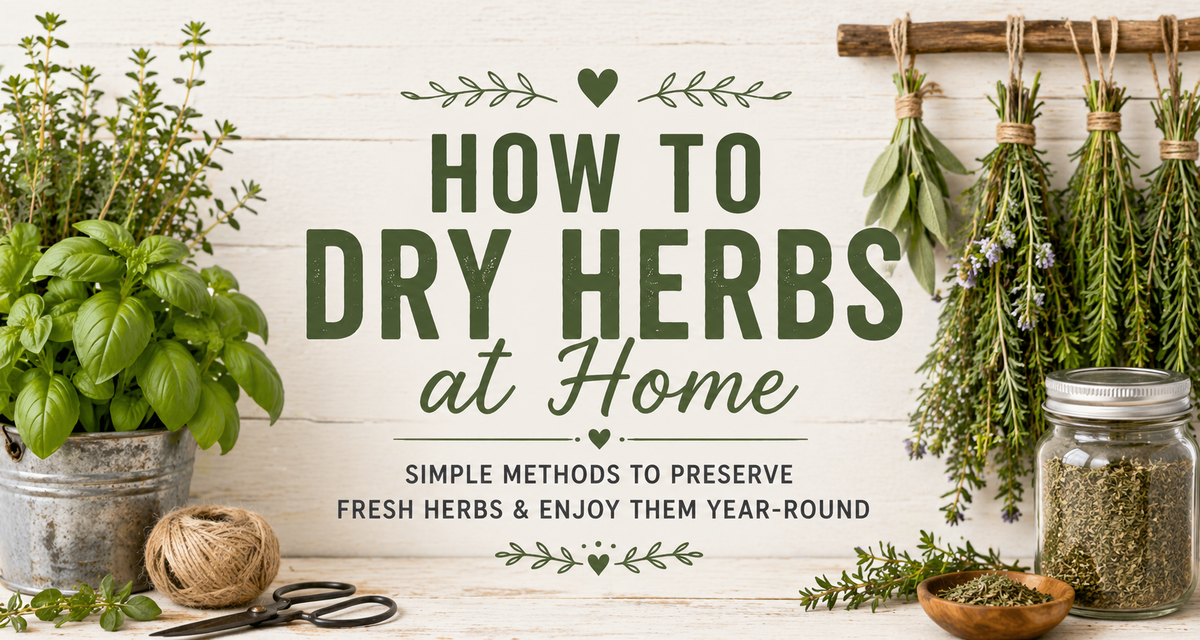
If you've ever looked at your herb garden and realized you have more basil, rosemary, or oregano than you could possibly use before it goes bad, you're not alone. One of the best ways to preserve your harvest is by drying herbs. Whether you're hanging herbs to air dry, using a dehydrator, drying herbs in the oven, or even freeze drying herbs, preserving fresh herbs allows you to enjoy homegrown flavor long after the growing season ends. In this blog, I'll walk you through the most popular methods for drying herbs, how to store them properly, and how long dried herbs actually last.
Table of Contents
Who Is This For?
This guide is for gardeners, home cooks, homesteaders, and anyone who's ever stared at a thriving basil plant and wondered how they're supposed to use all of it before it goes bad.
Whether you're harvesting herbs from a backyard garden, a patio container, or a sunny windowsill herb garden, drying herbs is one of the easiest ways to preserve your harvest and reduce waste.
If you're growing herbs for cooking, learning how to dry fresh herbs is a skill that pays off year after year.
Why Dry Fresh Herbs?
Fresh herbs are wonderful, but they don't last forever.
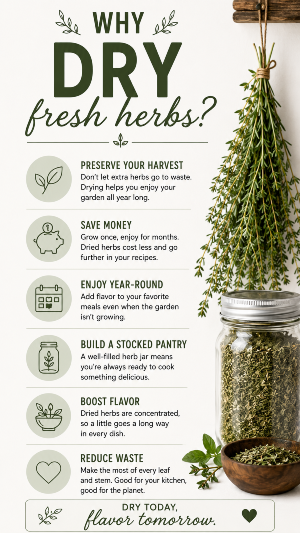
Drying herbs allows you to:
- Preserve your harvest
- Reduce food waste
- Save money
- Build a pantry stocked with homegrown ingredients
- Enjoy herbs year-round
- Create homemade seasoning blends
It's also incredibly satisfying to reach for a jar of basil or rosemary in January that came straight from your summer garden.
Farm Girl Tip:
A productive basil plant can provide more herbs than most families can use fresh. Drying the extras ensures none of that hard-earned harvest goes to waste.
Best Herbs for Drying
Not all herbs dry equally well.
Some of the best herbs for drying include:
Basil
Perfect for sauces, soups, and seasoning blends.
Rosemary
One of the easiest herbs to dry and store.
Oregano
Actually develops a stronger flavor after drying.
Thyme
Small leaves dry quickly and store beautifully.
Dill
Excellent for soups, dips, and homemade seasoning mixes.
Parsley
Retains good flavor when dried properly.
Sage
Another fantastic herb for long-term pantry storage.
These herbs maintain much of their flavor after drying, making them excellent choices for beginners.
Drying Herbs by Hanging
Drying herbs hanging upside down is one of the oldest preservation methods.
It's simple, inexpensive, and requires very little equipment.
Step 1
Harvest herbs in the morning after dew has dried.
Step 2
Remove damaged leaves and gently rinse if needed.
Step 3
Bundle stems together using twine or rubber bands.
Step 4
Hang bundles upside down in a warm, dry area with good airflow.
Step 5
Allow herbs to dry for one to three weeks depending on humidity levels.
You'll know they're ready when the leaves crumble easily between your fingers.
This method works particularly well for rosemary, oregano, thyme, and sage.
How to Dry Herbs in the Oven
If you're short on time, drying herbs in the oven can speed up the process.
Step 1
Wash and thoroughly dry your herbs.
Step 2
Spread herbs in a single layer on a baking sheet.
Step 3
Set your oven to its lowest temperature setting.
Step 4
Leave the oven door slightly cracked to allow moisture to escape.
Step 5
Check herbs every 15 to 20 minutes.
Depending on the herb and your oven, drying can take anywhere from 30 minutes to 2 hours.
Be careful not to overheat herbs, as excessive heat can reduce flavor and aroma.
How to Dry Herbs in a Dehydrator
For many gardeners, a dehydrator provides the easiest and most consistent results.
Step 1
Harvest and clean herbs.
Step 2
Arrange herbs in a single layer on dehydrator trays.
Step 3
Set dehydrator temperature between 95°F and 115°F.
Step 4
Dry until leaves become brittle.
Most herbs finish drying within one to four hours.
A dehydrator offers excellent airflow and temperature control, making it one of the most reliable methods for drying herbs at home.
Freeze Drying Herbs
Since we're Farm Girl Fixin's and rabbit holes are practically our business model, let's talk about freeze drying herbs.
Freeze drying preserves color, aroma, and flavor exceptionally well.
In many cases, freeze dried herbs look almost identical to fresh herbs once rehydrated.
Popular herbs for freeze drying include:
- Basil
- Dill
- Parsley
- Chives
- Cilantro
While freeze drying requires specialized equipment, it produces some of the highest-quality preserved herbs available.
The herbs remain vibrant in color and retain much of their original flavor.
If you already own a freeze dryer, herbs are an excellent addition to your preservation routine.
How to Store Dried Herbs
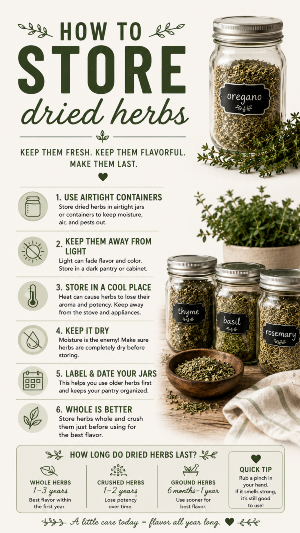
Proper storage is just as important as proper drying.
Store dried herbs in:
- Glass jars
- Mason jars
- Airtight containers
- Vacuum-sealed jars
Keep containers in a:
- Cool location
- Dark location
- Dry location
Avoid storing herbs near heat sources or direct sunlight.
Light, moisture, and heat are the enemies of long-term herb storage.
How Long Do Dried Herbs Last?
One of the most common questions gardeners ask is:
How long are dried herbs good for?
Properly stored dried herbs typically maintain their best flavor for:
Whole Herbs
1 to 3 years
Crushed Herbs
1 to 2 years
Ground Herbs
6 months to 1 year
The herbs won't necessarily spoil after that point, but their flavor and potency gradually decline.
A simple test:
Rub a small amount between your fingers.
If you can still smell a strong herbal aroma, they're likely still worth using.
FAQs
What is the best way to dry herbs?
The best method depends on your goals. Hanging herbs is inexpensive, dehydrators are fast and reliable, ovens are convenient, and freeze drying provides exceptional quality.
Can you dry herbs without a dehydrator?
How long does it take to dry herbs?
Depending on the method used, drying can take anywhere from one hour to several weeks.
Do freeze dried herbs last longer?
When properly stored, freeze dried herbs can have excellent shelf life while maintaining exceptional color and flavor.
Should dried herbs be crushed before storage?
For the longest shelf life, store herbs whole and crush them when needed.
Final Thoughts
Learning how to dry herbs is one of the simplest ways to preserve your harvest and enjoy homegrown flavor throughout the year. Whether you choose drying herbs hanging in bundles, using a dehydrator, drying herbs in the oven, or freeze drying herbs, you'll be building a pantry filled with ingredients you grew yourself.
And let's be honest, there's something pretty satisfying about opening a jar of basil in the middle of winter and remembering it came from your own garden.
Because around here, we don't let good herbs go to waste.
If you're a beginner and don't know where to start, this is a great read to get your feet wet at growing herbs, and have fun with it!


🍓 Let’s Stay Connected
If you love simple, homemade, from-scratch goodness, you’ll fit right in here.
I share freeze drying tips, zero waste kitchen ideas, and all the little farm girl fixin’s along the way 👩🏻🌾
💛 Join me on Facebook
🎥 Watch on YouTube
🌿 Follow along on TikTok
📌 Save ideas on Pinterest
🛒 Shop my Amazon favorites
✉️ Grab my free kitchen tips + join my list
Just a little heads up, friend...some of the links on this page may be affiliate links. That means if you grab something through them, I may earn a small commission (at no extra cost to you). It’s basically like you buying me a coffee while I share all my favorite cozy kitchen finds with you. I only ever recommend what I truly love and use myself.